Unraveling Stonehenge's Deepest Secrets: The Altar Stone's Astonishing Scottish Journey
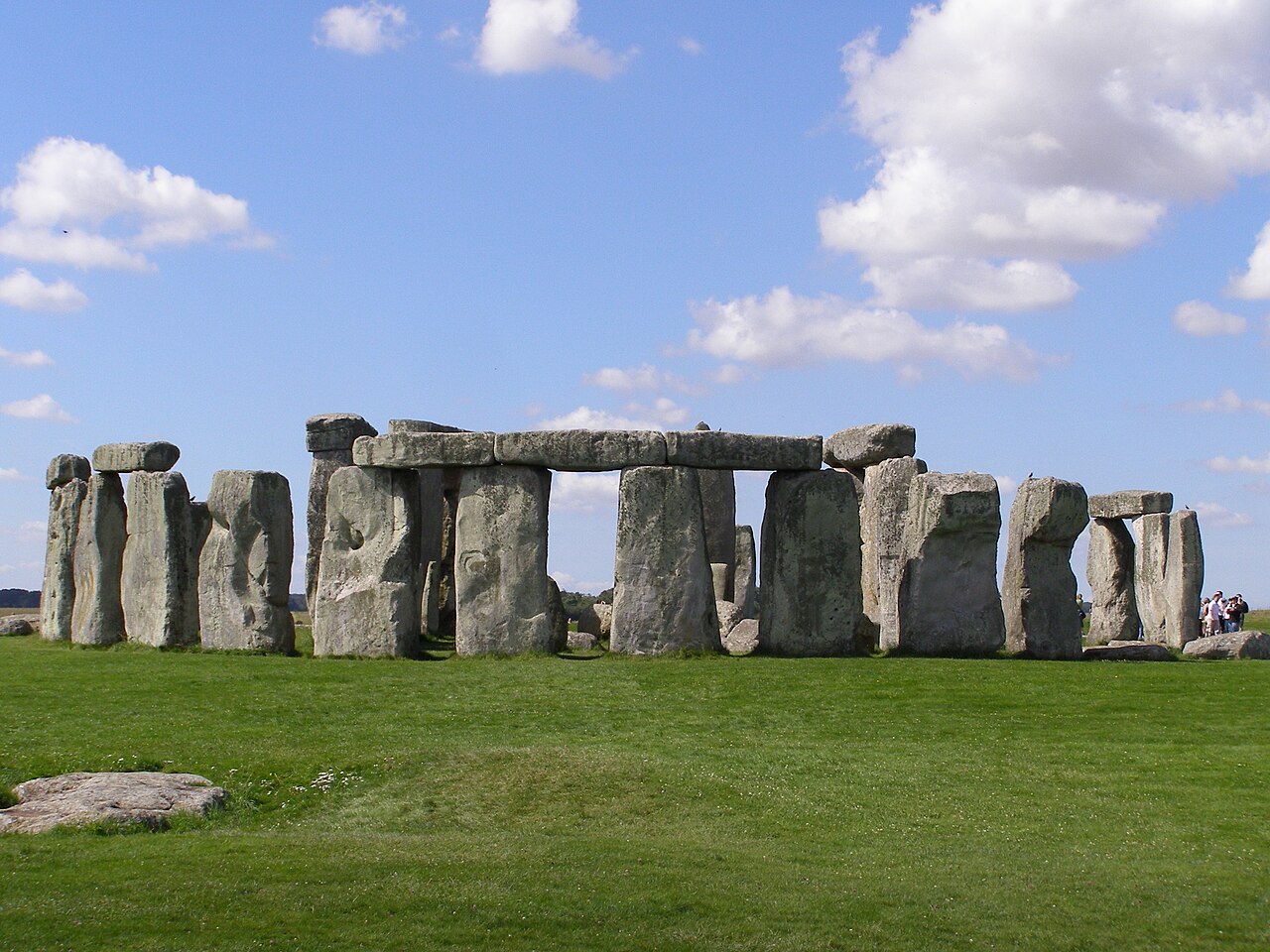
Stonehenge, the colossal stone circle etched into the Wiltshire landscape, has captivated humanity for millennia. Its sheer scale and enigmatic purpose have cemented its status as one of the world's most enduring prehistoric mysteries. For generations, theories have swirled around its construction, its alignment with celestial events, and crucially, the
decoding Stonehenge: the Altar Stone's mystical origins uncovered. While much has been learned about its general structure and the sourcing of its famous bluestones and sarsens, one central component, the venerable Altar Stone, has held its secrets particularly close. Until now. Revolutionary new research has cast aside a century-old assumption, revealing that this pivotal megalith embarked on an astounding journey, not from nearby Wales, but from the distant reaches of northeast Scotland – a revelation that profoundly reshapes our understanding of Stonehenge's mystical origins.
The Enduring Enigma of a Neolithic Masterpiece
Dating back approximately 5,000 years, Stonehenge stands as a testament to the ingenuity and sheer will of Neolithic peoples. Its construction unfolded over two millennia, involving numerous phases of development. The monument is broadly characterized by two main types of stone: the colossal sarsen stones, often weighing up to 30 tons, primarily sourced from the West Woods near Marlborough, a mere 15 miles away; and the smaller, but equally significant, bluestones, which have been definitively traced to west Wales. The transportation of these bluestones over some 150 miles across varying terrain has long been considered a monumental feat. However, the true origin of the monument's central, most unique stone remained stubbornly elusive, fueling speculation about the deeper spiritual and practical motivations behind its placement.
For over a century, the prevailing hypothesis, put forth by geologist H.H. Thomas in 1923, suggested that the Altar Stone, like the bluestones, also hailed from west Wales. This assumption was largely based on its classification as a 'bluestone' due to its smaller size compared to the massive sarsens. This perceived common origin seemed to fit a neat narrative, implying a consistent sourcing strategy for the non-sarsen elements of the monument. Yet, as scientific techniques advanced and new analyses emerged, subtle discrepancies began to challenge this long-held belief, leaving the Altar Stone's true provenance as one of the last great unanswered questions surrounding the monument's layout and
from Wales to Scotland: New Research Rewrites Stonehenge's Stone Map.
The Altar Stone: Stonehenge's Unique Heart
Nestled at the very core of Stonehenge, within its central horseshoe formation, lies the Altar Stone. This 6-ton sandstone slab, measuring roughly 16 by 3 feet and about 20 inches thick, is unlike any other stone at the site. Richard Bevins, an author of the groundbreaking *Nature* study, highlights its exceptional nature: “The Altar Stone is unique in the monument, in terms of its size, weight, rock type and position in the monument.” Its singular composition and central placement suggest it held immense symbolic or practical importance to the builders. Was it a focal point for rituals, an astronomical marker, or perhaps even a symbolic hearth? Its very name, "Altar Stone," conjures images of ancient ceremonies and profound spiritual significance, further deepening the inquiry into its purpose and, by extension, Stonehenge's mystical origins.
Despite its critical position, surprisingly little was definitively known about the Altar Stone. Its exact arrival date at the site is still debated, though some evidence points to its installation during the second major construction phase, between 2620 and 2480 B.C. More significantly, its primary rock type, sandstone, differed from the igneous and metamorphic rocks characteristic of the Welsh bluestones. This distinction, along with its sheer size and weight, always hinted that its story might be different. The lingering uncertainty about its origins only amplified the mystique, inviting archaeologists, geologists, and enthusiasts alike to ponder the true narrative woven into its ancient surface.
A Scientific Breakthrough: Pinpointing Scotland's Ancient Source
The quest to definitively trace the Altar Stone's origin involved cutting-edge geological analysis. The research team meticulously studied mineral grains found within minute sample fragments of the stone. This wasn't a simple visual inspection; it involved sophisticated chemical and age-dating techniques. By analyzing the unique chemical signatures and geological ages of these mineral grains, scientists could create a sort of "geological fingerprint" for the Altar Stone.
The results were nothing short of astonishing. The age and chemical composition of the Altar Stone's grains proved statistically indistinguishable from bedrock found in outcrops in northeast Scotland. Crucially, these fingerprints were distinctly different from any rock formations in Wales. This definitive evidence unequivocally shifted the Altar Stone's origin story from the southwest to the far northeast of Great Britain, a staggering distance of over 400 miles. This discovery doesn't just add a new pin on a map; it fundamentally alters our understanding of the scope and ambition of Stonehenge's creators.
Implications and New Perspectives on Neolithic Ingenuity
This revelation opens up a whole new realm of questions about Stonehenge's mystical origins and the people who built it. The transportation of a 6-ton stone over such an immense distance, across a significant portion of ancient Britain, represents an engineering feat far surpassing even the celebrated bluestone journey from Wales.
What does this tell us?
- Unprecedented Connectivity: It suggests a level of interconnectedness between communities across ancient Britain far greater than previously imagined. Was there an extensive trade network, or perhaps ritualistic alliances that spanned the entire island?
- Resourcefulness and Tenacity: The sheer effort involved in moving such a large stone without modern technology speaks volumes about the determination, organization, and perhaps even spiritual conviction of the builders. They must have been incredibly skilled in overland and possibly coastal transportation.
- Specific Significance: Why Scotland? Was there a unique quality to this particular Scottish sandstone – its color, texture, or perceived magical properties – that made it indispensable for Stonehenge's central feature? Was it taken from a particularly sacred or powerful landscape in Scotland, imbued with a spiritual essence deemed necessary for the monument? This points to a deeper, more intentional selection process than simply using readily available local materials.
- Rewriting History: This finding necessitates a re-evaluation of historical narratives. It prompts us to reconsider potential ancient pathways, maritime routes, and the extent of cultural exchange during the Neolithic period.
This discovery doesn't merely correct a geographical error; it enriches the narrative of Stonehenge, painting a picture of a dynamic, interconnected prehistoric Britain driven by complex motivations.
Exploring Stonehenge's Enduring Mystique Today
For those fascinated by Stonehenge's mystical origins and its continuing revelations, understanding the Altar Stone's journey adds another profound layer to the experience. When you visit the site, gaze upon this unique slab at the heart of the monument, and contemplate the incredible odyssey it undertook.
Practical insights for the curious:
- Visit Stonehenge: Experience the monument firsthand. English Heritage provides excellent resources and visitor facilities that offer context to its history and ongoing discoveries. Imagine the ancient landscape the builders navigated as you stand among the stones.
- Engage with Research: Keep an eye on new archaeological and geological studies. The story of Stonehenge is continuously being updated, proving that even ancient mysteries can yield new insights.
- Consider the "Why": Beyond the "how," ponder the "why." What motivated these ancient people to invest such monumental effort? The answer likely lies not just in engineering but in their deep connection to the land, the cosmos, and their spiritual beliefs.
- Explore Related Sites: Many other prehistoric sites across Britain offer further context to the Neolithic period, from Avebury to Skara Brae, giving a broader understanding of the culture that produced Stonehenge.
The Altar Stone's journey from northeast Scotland to Salisbury Plain is a powerful testament to the ambition, ingenuity, and perhaps the spiritual conviction of Stonehenge's builders. This latest discovery not only corrects a long-held assumption but profoundly deepens our appreciation for the monument's complexity and the vast networks that connected prehistoric Britain. As research continues, the Altar Stone reminds us that even the most ancient wonders still hold secrets waiting to be unveiled, continually reshaping our understanding of Stonehenge's mystical origins and the incredible societies that brought it to life.